
Taxidermy Animals: Preserving Nature for Science
Taxidermy Animals
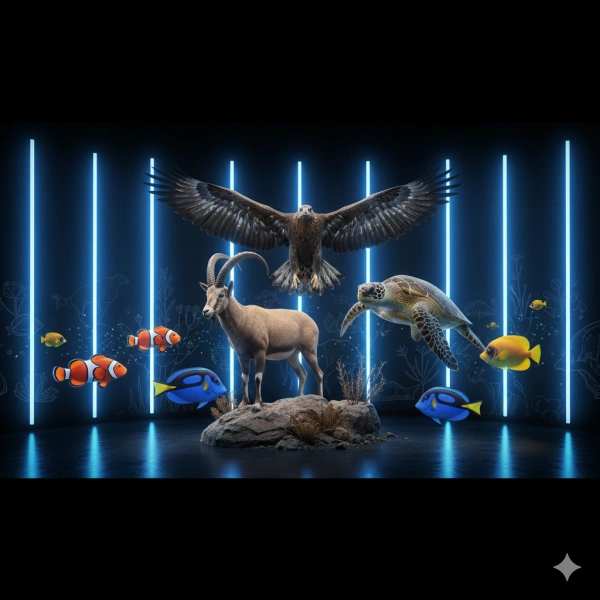
Taxidermy animals are animals that have been preserved through a scientific and artistic process so their bodies (or external forms) remain on display in a way that looks very close to life.
The Basic Idea:
-
Taxidermy is the science and art of preserving the skin and structures of animals after death. The skin is cleaned, treated, and then mounted on a special model to recreate the animal’s natural appearance.
-
The purpose is usually educational, research-based, or for museum display.
Where It Is Used:
-
Natural history and science museums: to display animals from different habitats (forests, deserts, oceans…) so visitors can learn about biodiversity.
-
Educational centers: like your Science Land, where taxidermy animals are used to introduce students to local species (birds, mammals, reptiles…).
-
Research and study: they allow students and researchers to closely examine animals even after they have died.
Exhibition Features:
-
Provide a realistic visual experience for visitors, much closer than photos or plastic models.
-
Show fine details such as feathers, fur, horns, and natural colors.
-
Enhance visitors’ understanding of the local environment and natural diversity.