Human Body and Organs
Human Body and Organs
Human Body and Organs
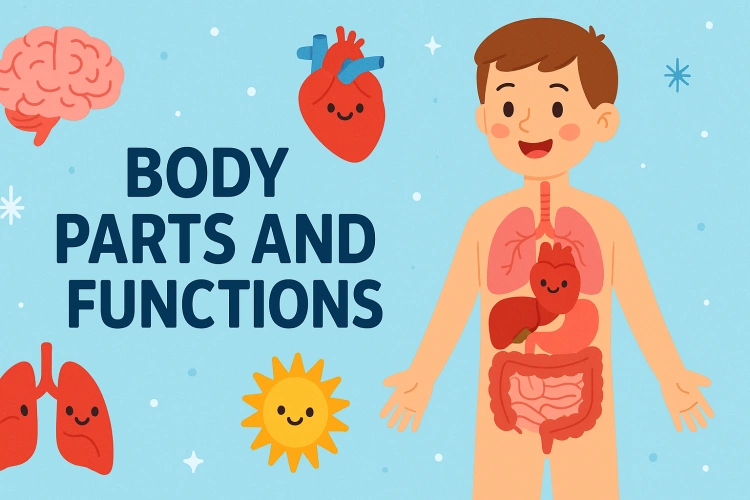
Learning about the human body is like setting out on a fascinating journey. Every organ has a vital role in keeping us alive, active, and healthy. For those just beginning to explore human anatomy, this guide introduces the essentials of how different body parts work together in perfect harmony. The human body is truly a wonder of nature—an intricate system where each component has a unique purpose, yet all function collectively to maintain balance, health, and vitality.
In-Class Exploration with Ready-Made Kits
To deepen students’ understanding of human anatomy, educators can integrate hands-on learning with ready-made kits. These kits offer interactive opportunities for learners to investigate different parts and systems of the body, transforming lessons into engaging and memorable experiences. Below are some recommended kits that are ideal for classroom exploration:
- Educational Human Body Kit:
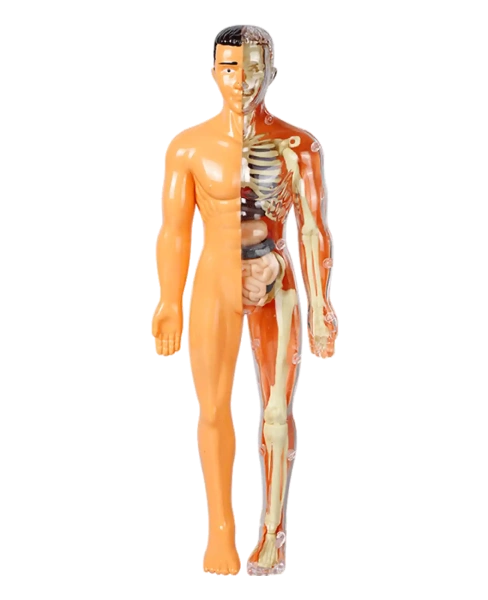
This all-in-one kit enables students to build a model of the human body, offering both a visual and hands-on learning experience. It features removable organs and systems that can be manipulated, helping learners clearly understand their functions and how they work together.
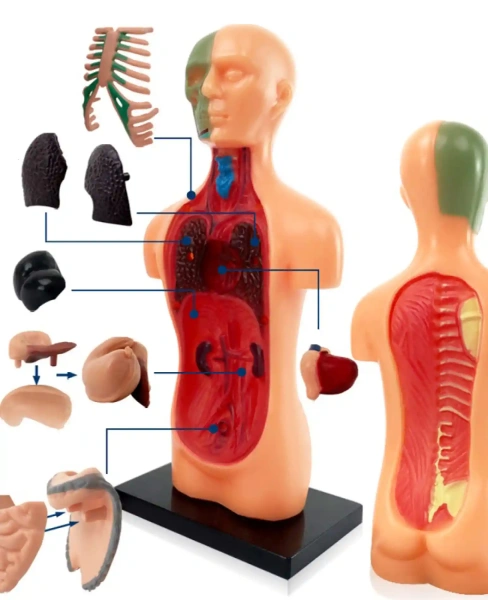
- Human Body for Kids - Upper Body Kit: Designed specifically for younger learners, this kit offers a simplified model of the upper body. It is ideal for hands-on demonstrations of anatomy and the functions of the heart, lungs, and other vital organs.
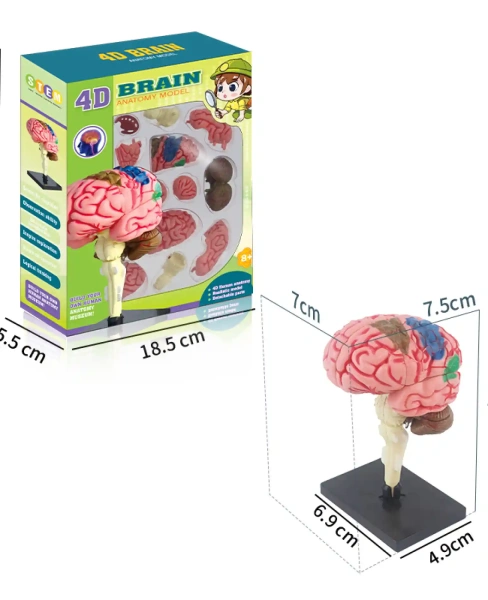
- Brain Kit: This kit provides an in-depth exploration of the brain's structure and functions. Students can take apart and study different regions of the brain, enhancing their comprehension of cognitive functions and sensory processing.
- Eye Model Kit: Understanding vision and the complexities of the human eye is essential in anatomy studies. This kit allows students to construct an eye model and learn about its parts and how they work together to enable sight.
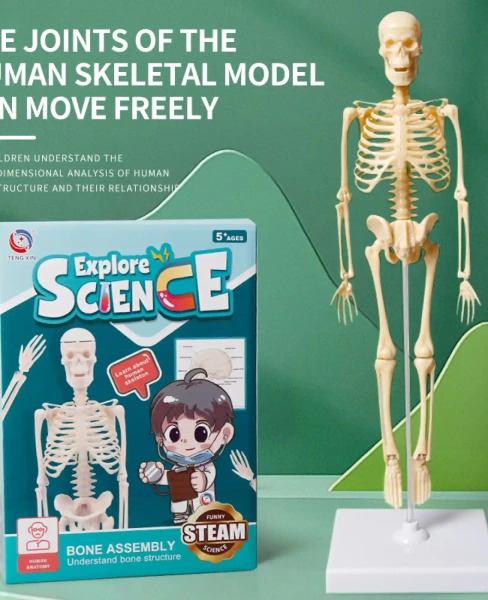
- Human Skeleton Kit: The foundation of human anatomy lies within the skeletal system. This model kit enables students to build a life-size skeleton, providing insights into the structure, function, and importance of bones and joints in the human body.
Incorporating these kits into classroom lessons can foster active learning and provide students with a deeper appreciation for human anatomy. Through exploration and hands-on experience, learners can solidify their understanding of how our bodies function and engage in discussions about health and biology.
Body Parts and Functions
In this section, we’ll explore the essential organs of the human body and the vital roles they play. Each organ contributes to the delicate balance that keeps us alive and healthy, working both independently and in harmony with others. By examining their primary functions and interactions, beginners and curious learners alike can gain a clear foundation in human anatomy—while also appreciating the remarkable complexity of our biological design.
The brain is a highly complex organ that directs every activity of the body. Acting as the command center, it processes information, coordinates responses, and manages everything from thoughts and emotions to movements and senses. It is also the source of our consciousness and creativity, shaping our individuality and defining our personality.
Main Functions
- Control of Voluntary Movements :The brain sends signals through the nervous system to muscles, enabling us to move. This involves complex processes in the motor cortex, where specific movements are planned and executed. The brain ensures that our movements are smooth and coordinated, adjusting for balance and precision.Voluntary movement control is a result of a sophisticated interplay between various parts of the brain, including the cerebellum, which fine-tunes motor activity. This system allows us to perform tasks ranging from simple gestures to complex athletic feats.
- Sensory Processing: It interprets information from our senses—sight, sound, smell, taste, and touch. Each sensory input is processed in distinct regions of the brain, allowing us to perceive the world around us.Sensory processing is not just passive reception of stimuli; it involves active interpretation based on past experiences and current contexts. This capability enables us to react appropriately to our environment.
- Cognitive Abilities: The brain is where thinking, memory, problem-solving, and decision-making occur. These cognitive processes are fundamental to our ability to learn and adapt.Cognitive functions are supported by neural networks that store and retrieve information, allowing us to make informed decisions and solve problems creatively. Memory, both short-term and long-term, is crucial for learning and personal development.
- Regulation of Body Functions: It controls vital functions such as heart rate, breathing, and digestion. The brain's autonomic nervous system manages these involuntary processes, ensuring that they operate seamlessly without conscious effort.This regulation is critical for maintaining homeostasis, the body's internal stability, which is essential for survival. The brain's ability to adjust these functions in response to environmental changes highlights its role as the body's master regulator.
The Heart: Lifeline of Circulation
The heart is a muscular organ responsible for pumping blood throughout the body. It ensures that oxygen and nutrients are delivered to tissues and organs, while waste products are carried away. The heart's efficiency and resilience are crucial to sustaining life, making it one of the most important organs in the body.
Main Functions
- Pumping Blood: The heart's rhythmic contractions maintain blood circulation. This pumping action is driven by an electrical system that regulates heartbeats, ensuring a steady supply of blood.The cardiac cycle, consisting of systole and diastole phases, allows the heart to fill with blood and then expel it, ensuring continuous circulation. This process is vital for maintaining life and supporting bodily functions.
- Oxygen Delivery: It ensures oxygen-rich blood reaches all parts of the body. This oxygen is crucial for cellular respiration, the process by which cells generate energy.The heart's ability to deliver oxygen efficiently affects overall health and physical performance. It plays a crucial role in sustaining activities that range from basic metabolic functions to high-intensity exercises.
- Nutrient Transport: The heart helps in distributing essential nutrients to cells. These nutrients are necessary for cellular growth, repair, and energy production.This function is particularly important for maintaining the health of tissues and organs, enabling them to perform their specific roles effectively. Proper nutrient transport supports overall vitality and well-being.
- Waste Removal: It facilitates the removal of carbon dioxide and other wastes via the bloodstream. This is essential for detoxifying the body and maintaining a healthy internal environment.Efficient waste removal prevents the buildup of harmful substances, which can lead to cellular damage and disease. The heart's role in this process underscores its importance in maintaining overall health.
Lungs: Breath of Life
The lungs are essential for breathing and the exchange of gases. They are responsible for taking in oxygen and expelling carbon dioxide, a waste product of metabolism. The lungs' functionality is vital for sustaining life, as oxygen is required for cellular energy production.
Main Functions
- Gas Exchange: Oxygen enters the blood, and carbon dioxide is expelled. This exchange occurs in the alveoli, tiny air sacs in the lungs where the transfer of gases takes place.Gas exchange is fundamental to respiration, the process of obtaining energy from food. Without efficient gas exchange, cells would be deprived of oxygen, leading to impaired function and energy deficits.
- Maintaining pH Balance: By regulating carbon dioxide levels, the lungs help balance the body's pH. This balance is crucial for maintaining the proper function of enzymes and metabolic processes.The lungs' role in pH regulation highlights their importance beyond mere gas exchange. By managing carbon dioxide levels, they contribute to the body's overall acid-base balance, a key aspect of homeostasis.
- Protection: The lungs have defense mechanisms to filter out particles and pathogens. Mucus and cilia in the respiratory tract trap and expel harmful substances, protecting the lungs from infection.This protective function is essential for maintaining respiratory health, particularly in environments with pollutants or pathogens. The lungs' ability to defend against external threats underscores their role as guardians of the respiratory system.
The Liver: Metabolic Powerhouse
The liver is a large organ with a variety of functions crucial for digestion and detoxification. It processes nutrients absorbed from the digestive tract and converts them into energy or stores them for future use. The liver's multifaceted roles are vital for maintaining metabolic balance and overall health.
Main Functions
- Detoxification: The liver neutralizes toxins and metabolizes drugs. This detoxification process protects the body from harmful substances that could cause damage.The liver's ability to detoxify is crucial for processing environmental toxins and medications, ensuring that they are rendered harmless. This function is vital for preventing toxic overload and maintaining overall health.
- Protein Synthesis: It produces essential proteins for blood clotting and other functions. These proteins are critical for various physiological processes, including immune response and tissue repair.The liver's role in protein synthesis supports the body's ability to heal and defend against disease. It highlights the liver's importance in maintaining the body's structural and functional integrity.
- Storage: The liver stores vitamins and minerals, such as iron and vitamin A. This storage capability ensures a steady supply of essential nutrients when dietary intake is insufficient.The liver's storage function is vital for preventing nutrient deficiencies and supporting overall health. It acts as a reservoir, releasing nutrients when needed to maintain metabolic balance.
- Bile Production: It produces bile, which aids in digesting fats. Bile emulsifies fats, making them easier to break down and absorb in the intestines.Bile production is essential for efficient digestion and absorption of dietary fats, which are crucial for energy production and the synthesis of cell membranes. The liver's role in bile production underscores its importance in digestive health.
The Kidneys: Filters of the Body
The kidneys play a vital role in filtering blood to remove waste and extra fluid, maintaining a stable balance of salts and other substances in the body. Their function is critical for detoxifying the body and ensuring proper fluid and electrolyte balance.
Main Functions
- Waste Excretion: They remove waste products and excess substances from the blood. This filtration process is essential for preventing the accumulation of harmful substances.The kidneys' ability to excrete waste is crucial for detoxifying the body and preventing toxic buildup. Efficient waste removal supports overall health and prevents disease.
- Fluid Balance: The kidneys regulate the body's fluid levels. They adjust the volume of urine produced to maintain hydration and prevent fluid overload or deficiency.Fluid balance is vital for maintaining blood pressure and ensuring that cells function optimally. The kidneys' role in this process highlights their importance in maintaining homeostasis.
- Electrolyte Balance: They maintain the balance of electrolytes, including sodium and potassium. This balance is crucial for nerve function, muscle contraction, and overall cellular health.The kidneys' ability to regulate electrolytes supports various physiological processes, from nerve transmission to muscle function. Proper electrolyte balance is essential for overall health and well-being.
- Blood Pressure Regulation: The kidneys help control blood pressure by adjusting blood volume. They produce hormones that regulate blood pressure, ensuring it remains within a healthy range.Blood pressure regulation is critical for preventing cardiovascular disease and maintaining overall health. The kidneys' role in this process underscores their importance in cardiovascular health.
The Stomach: Digestion Hub
The stomach is a key player in the digestive system, breaking down food into a semi-liquid form called chyme. Its role in digestion is crucial for converting food into nutrients that the body can absorb and use for energy.
Main Functions
- Food Breakdown: It uses acid and enzymes to digest food. The acidic environment denatures proteins, while enzymes break down complex molecules into simpler forms.Food breakdown in the stomach is the first step in the digestive process, preparing nutrients for absorption. This function is essential for ensuring that the body receives the nutrients it needs to function.
- Nutrient Absorption: The stomach begins the absorption of certain nutrients. While most absorption occurs in the intestines, some substances, like alcohol and certain medications, are absorbed in the stomach.The stomach's role in nutrient absorption highlights its importance in the digestive process. By absorbing certain nutrients, it ensures that the body receives them quickly when needed.
- Protection: Its acidic environment kills bacteria and pathogens in food. This protective function prevents infections and ensures that food is safe to digest. The stomach's ability to protect against pathogens underscores its role as a guardian of the digestive system. This function is crucial for maintaining gastrointestinal health and preventing disease.
The Intestines: Nutrient Absorption
The intestines are divided into the small and large intestines, both crucial for digestion and nutrient absorption. Their roles in breaking down food and absorbing nutrients are vital for sustaining life and health.
Main Functions
- Small Intestine absorbs nutrients and minerals from food. The small intestine's extensive surface area and specialized structures, such as villi and microvilli, facilitate efficient absorption.The small intestine's ability to absorb nutrients is critical for providing the body with the energy and building blocks it needs to function. This process is essential for maintaining overall health and vitality.
- Large Intestine absorbs water and forms waste (feces) for elimination. The large intestine's role in water absorption is vital for preventing dehydration and maintaining fluid balance.By forming waste, the large intestine ensures the removal of undigested food and other substances, preventing toxic buildup. This function is crucial for maintaining digestive health and preventing disease.
- Microbiome Support harbors beneficial bacteria that aid in digestion. These microbes play a crucial role in breaking down complex carbohydrates and producing vitamins.The microbiome's support is essential for efficient digestion and overall health. A healthy gut microbiome contributes to immune function, mental health, and metabolic balance.
The Skin: Protective Barrier
The skin is the body’s largest organ, acting as a protective shield against harmful environmental factors and invading pathogens. Beyond protection, it plays a crucial role in regulating body temperature and maintaining homeostasis, making it essential for overall health and survival.
Main Functions
- Protection shields internal organs from injury and infection. The skin acts as a physical barrier, preventing pathogens and harmful substances from entering the body.The skin's protective function is critical for maintaining health and preventing disease. It acts as the body's first line of defense against external threats.
- Temperature Regulation helps regulate body temperature through sweat and blood flow. The skin's ability to dissipate heat or retain warmth is essential for maintaining a stable internal environment.Temperature regulation is crucial for preventing overheating or hypothermia, ensuring that the body's metabolic processes function optimally.
- Sensation contains nerve endings that sense touch, temperature, and pain. This sensory function allows the body to perceive and respond to its environment.The skin's ability to sense changes is vital for protecting the body from harm and maintaining overall health. It allows us to interact with the world and respond to stimuli.
- Vitamin D Synthesis produces vitamin D when exposed to sunlight. This vitamin is crucial for calcium absorption and bone health.The skin's role in synthesizing vitamin D highlights its importance in maintaining overall health. Adequate vitamin D levels are essential for preventing bone disorders and supporting immune function.
Conclusion
Understanding how human organs function is key to appreciating the remarkable ways our bodies work. Each organ has a unique role, yet together they create the balance necessary for health and well-being. Gaining this knowledge builds a strong foundation for exploring more advanced topics in biology and medicine.
By mastering the basics, you’re not only learning the essentials of anatomy but also uncovering insights into the extraordinary complexity of life. Whether studied at home or in the classroom, this understanding provides a springboard for deeper exploration. Embracing this knowledge enriches our view of health, wellness, and the delicate harmony that sustains life.