Solar System Experiments
Solar System Experiments
Solar System Experiments
Exploring the solar system is a thrilling adventure for both students and educators. Interactive learning methods allow learners to connect with the material on a deeper level, making complex ideas about space and celestial bodies easier to grasp. Thanks to the growing variety of educational tools and resources, it has never been simpler to bring the wonders of the solar system into classrooms and homes. In this section, we’ll explore how ready-made kits, solar system games, and other hands-on activities can transform learning about space into an exciting and enriching experience.
Interactive learning is an educational approach that places students at the center of the learning experience. Rather than relying solely on traditional methods, it incorporates hands-on activities, experiments, and games that bring lessons to life. When teaching about the solar system, this method is especially powerful, as it enables students to visualize and simulate astronomical events that might otherwise feel abstract or overwhelming. By turning complex concepts into concrete experiences, learners gain a clearer and more intuitive understanding of how the solar system works.
Beyond enhancing comprehension, interactive learning supports different learning styles and fosters collaboration among students. It creates a dynamic environment where learners can exchange ideas, share discoveries, and engage in meaningful dialogue. This active participation sparks curiosity and encourages students to explore questions independently. In doing so, interactive learning not only builds critical thinking skills but also nurtures a lasting passion for exploration and discovery.
Benefits of Interactive Learning
- Engagement: Interactive learning keeps students engaged and interested in the subject matter. By involving multiple senses through visual, auditory, and kinesthetic activities, students are more likely to stay focused and motivated.
- Retention: Students tend to retain information better when they participate in hands-on activities. The act of physically manipulating objects or participating in dynamic simulations helps reinforce memory and understanding.
- Critical Thinking: These activities encourage critical thinking and problem-solving skills. By challenging students to make predictions, analyze data, and draw conclusions, interactive learning fosters an analytical mindset.
- Fun: Learning becomes a fun experience, which can foster a lifelong interest in science. When students enjoy what they are doing, they are more likely to pursue further learning opportunities and develop a passion for the subject.
Ready-Made Kits for Solar System Learning
Ready-made kits are a fantastic resource for educators and parents looking to teach children about the solar system. These kits often come with everything needed to conduct various experiments and activities, making them convenient and easy to use. They provide a structured way to introduce complex concepts through guided, hands-on experiences that encourage exploration and discovery.
Recommended Kit
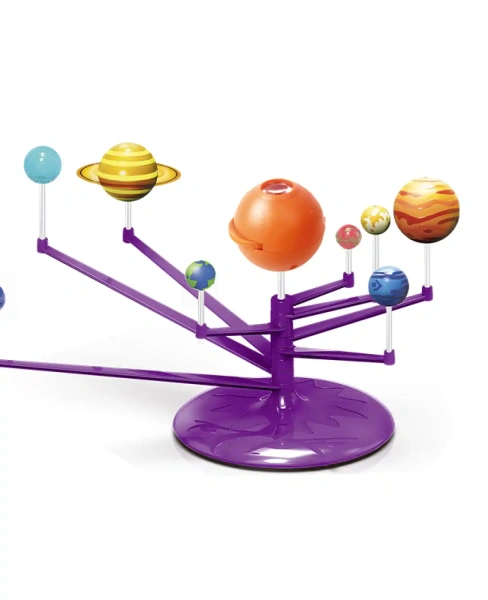
One highly recommended kit is the Solar system kit. This kit includes engaging materials designed to help kids build a model of our solar system, making it easier to understand the scale and relative positions of the planets. By assembling this model, students can visualize the spatial relationships between celestial bodies and gain a tangible understanding of astronomical distances.
Choosing the Right Kit
When selecting a kit, consider the age and skill level of the students, as well as the specific concepts you wish to cover. Kits with clear instructions and a variety of activities are ideal for maintaining student interest. Additionally, consider the time and resources available, as some kits may require additional materials or extended time for completion. By carefully selecting the right kit, educators can ensure that the learning experience is both enjoyable and educationally beneficial.
Solar System Educational Activities at Home
Learning about the solar system doesn't have to be confined to the classroom. Parents can engage their children in educational activities at home, fostering curiosity and exploration. By integrating learning into everyday life, parents can create opportunities for children to explore and discover the wonders of the solar system in a comfortable and supportive environment.
Ideas for Home Activities
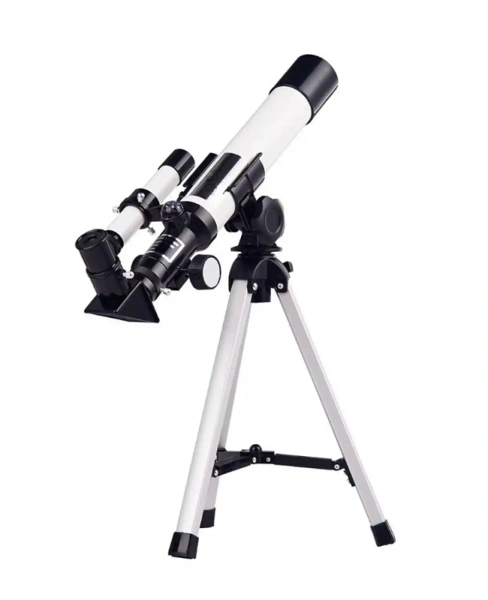
- Star Gazing: On clear nights, use a Kids Telescope to observe the stars and planets. Encourage children to keep a journal of their observations. This activity not only enhances observational skills but also instills a sense of wonder about the night sky.
- DIY Solar System Model: Use everyday household items to create a scale model of the solar system. This can be a fun project that involves the whole family. By working together, family members can learn about the solar system while spending quality time together.
- Science Experiments: Simple experiments, such as creating craters in flour or simulating planetary rotation with a flashlight, can be both educational and entertaining. These activities can spark curiosity and inspire further exploration of scientific concepts.
Solar System Games for the Classroom
Games are a powerful tool for making learning interactive and enjoyable. When it comes to the solar system, there are numerous educational games that can be integrated into the classroom. These games not only make learning fun but also provide opportunities for students to apply their knowledge in new and engaging ways.
Popular Solar System Games
- Planetary Bingo: A twist on the classic game, where each square represents a different planet or celestial feature. Students can mark their cards as they learn facts about each item. This game encourages active participation and reinforces knowledge through repetition and recall.
- Orbit Simulator Games: Digital games that simulate the orbits of planets and moons, allowing students to manipulate variables and observe outcomes. By experimenting with different parameters, students can gain insights into the dynamics of planetary systems and the forces at play.
- Trivia Quizzes: Competitive quizzes with questions about the solar system can be a fun way to reinforce knowledge. These quizzes can be tailored to different difficulty levels, providing a challenge for all students and encouraging them to expand their understanding.
Implementing Games in the Classroom
To successfully incorporate games, set clear objectives and ensure that each game aligns with your educational goals. Provide students with opportunities to reflect on what they learned during the game. Encourage discussions and debriefs that allow students to share their experiences and insights, fostering a deeper understanding of the material. By integrating games thoughtfully, educators can create a dynamic and engaging learning environment.
Solar System Educational Activities at Home
Learning about the solar system doesn't have to be confined to the classroom. Parents can engage their children in educational activities at home, fostering curiosity and exploration. By integrating learning into everyday life, parents can create opportunities for children to explore and discover the wonders of the solar system in a comfortable and supportive environment.
Ideas for Home Activities
- Star Gazing: On clear nights, use a telescope or even binoculars to observe the stars and planets. Encourage children to keep a journal of their observations. This activity not only enhances observational skills but also instills a sense of wonder about the night sky.
- DIY Solar System Model: Use everyday household items to create a scale model of the solar system. This can be a fun project that involves the whole family. By working together, family members can learn about the solar system while spending quality time together.
- Science Experiments: Simple experiments, such as creating craters in flour or simulating planetary rotation with a flashlight, can be both educational and entertaining. These activities can spark curiosity and inspire further exploration of scientific concepts.
Encouraging Inquiry and Exploration
Promote an atmosphere of inquiry by encouraging children to ask questions and seek answers. Use resources like books, documentaries, and online content to supplement their learning. Encourage children to explore topics that interest them and to pursue their own lines of inquiry. By nurturing a culture of curiosity, parents can help children develop a lifelong love for learning and discovery.
Conducting Science Experiments on the Solar System
Science experiments are a cornerstone of interactive learning, providing hands-on experiences that can help demystify complex scientific principles. By engaging in experiments, students can see the practical applications of theoretical concepts and gain a deeper understanding of the solar system.
Suggested Experiments
- Gravity Simulation: Use a rubber sheet and marbles to simulate how gravity works in space, showing how objects are pulled towards each other. This experiment provides a visual representation of gravitational forces and their effects on celestial bodies.
- Phases of the Moon: Using a light source and a ball, demonstrate how the moon's phases change as it orbits the Earth. This activity helps students understand the cyclical nature of lunar phases and the interplay between the Earth, moon, and sun.
- Solar System Scale Model: Create a scale model in your backyard or a large space to illustrate the vast distances between planets. By walking the distances, students can appreciate the enormity of space and the relative positions of the planets.
Preparing for Experiments
Before conducting experiments, ensure that you have all necessary materials and safety precautions in place. Provide clear instructions and encourage students to make predictions and record their findings. By documenting their observations, students can track their learning progress and reflect on their experiences. This process reinforces scientific thinking and supports the development of analytical skills.
Conclusion
Interactive learning through solar system experiments and activities not only enhances students' understanding but also makes the learning process enjoyable. By utilizing ready-made kits, engaging games, and at-home activities, educators and parents can inspire a passion for science that lasts a lifetime. Whether in the classroom or at home, these educational tools provide a platform for exploration and discovery, helping students to better appreciate the wonders of our solar system.
Incorporating these interactive elements into your teaching strategy can transform how students perceive and understand the vastness of space, making them eager learners and future explorers. By fostering an environment of curiosity and engagement, educators and parents can empower students to embark on a lifelong journey of discovery and innovation in the realm of science and beyond.