static energy
Static Electricity
Static Electricity
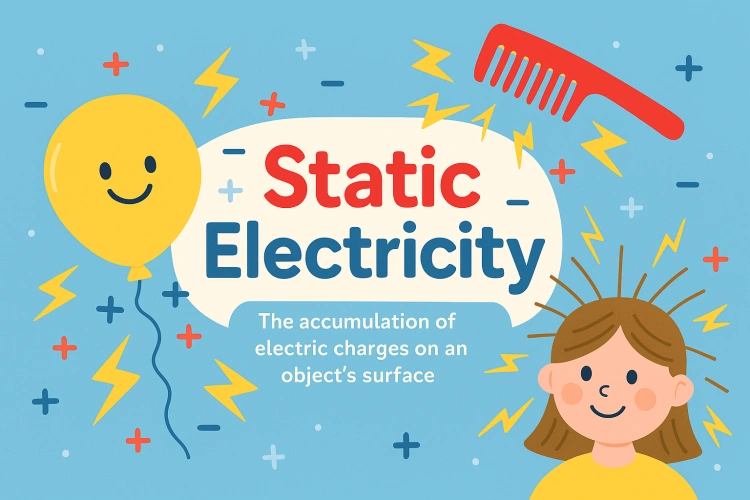
Static electricity is a fascinating phenomenon that can be both educational and entertaining for students. It provides a great opportunity to explore fundamental concepts in physics through hands-on activities. These engaging experiments are designed to help students grasp the principles of static electricity in a fun and interactive way.
In this article, we'll explore several exciting static electricity experiments that you can easily incorporate into your science class.
Before diving into the experiments, it's important to understand what static electricity is. Static electricity is the result of an imbalance between positive and negative charges in objects. This imbalance can cause objects to attract or repel each other.
When two different materials come into contact and then separate, electrons may transfer from one material to the other. This transfer of electrons results in one object becoming positively charged and the other negatively charged, creating static electricity.
Experiment 1: The Balloon and Hair Experiment
Materials Needed
- A balloon
- Clean, dry hair
Procedure
- Inflate the balloon and tie it off.
- Rub the balloon vigorously against your hair for about 10-15 seconds.
- Slowly pull the balloon away and observe how your hair is attracted to the balloon.
Explanation
Rubbing the balloon against your hair transfers electrons from your hair to the balloon. The balloon becomes negatively charged, and your hair becomes positively charged. Opposite charges attract, so your hair will be drawn toward the balloon.
Ready-Made Kits to Explore Static Electricity
For educators looking to make static electricity experiments even easier and more engaging for students, ready-made kits are a fantastic option. One such kit is available from Science Land, which includes all necessary materials for a variety of static electricity experiments, ensuring a hassle-free experience.
Benefits of Using a Ready-Made Kit
- Convenience: All materials are included, saving time on gathering and preparing supplies.
- Quality: The components are chosen for effectiveness, ensuring successful experiments.
- Instructional Guides: These kits typically come with clear instructions, making it easy for educators to guide students through each experiment.
Featured Kit
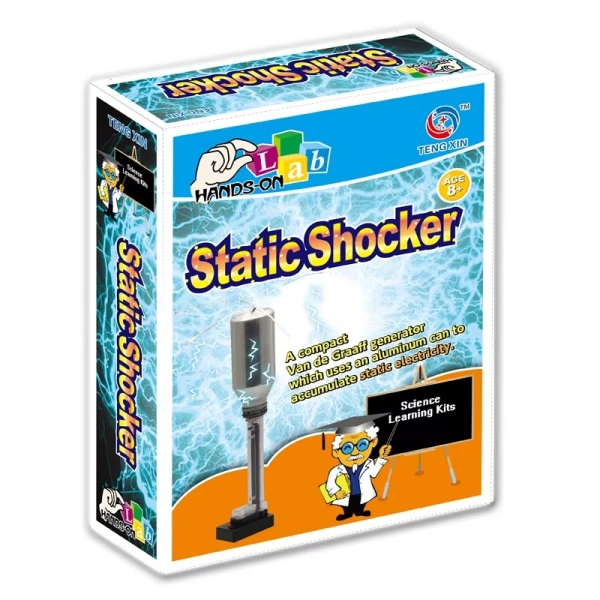
Static Electricity Experiment Kit: This comprehensive kit from Science Land features a variety of materials designed to demonstrate the principles of static electricity.
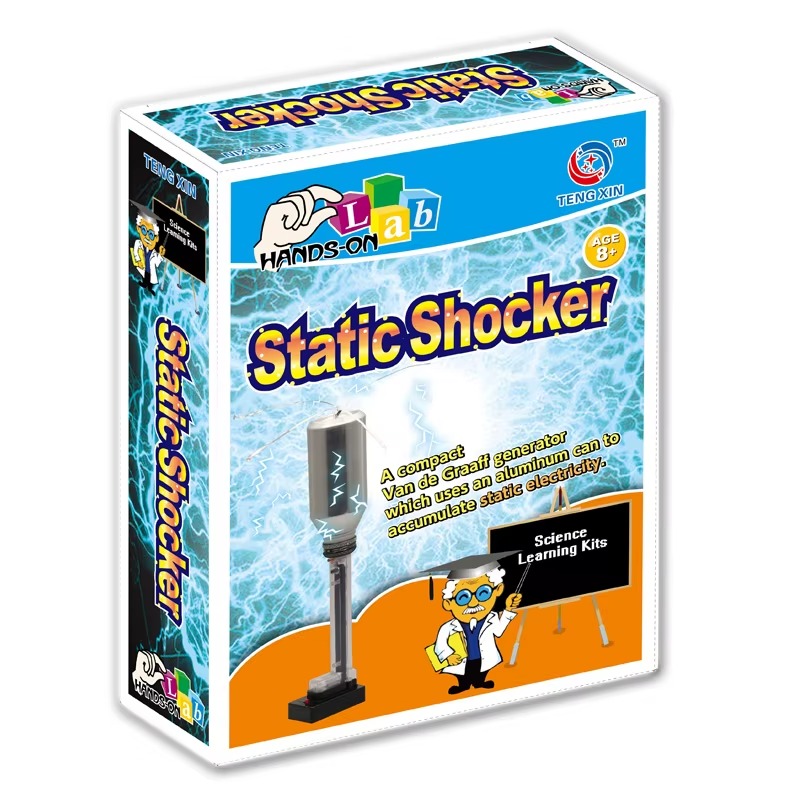
What's Included
- Electrostatic Generator: To easily create static charges.
- Conductive and Insulative Materials: To explore different properties of materials.
- Instruction Manual: Step-by-step guides for conducting various experiments.
Using a kit like this can enhance the educational experience, making learning about static electricity not only informative but also engaging for students of all ages.
Experiment 2: The Static Electricity Butterfly
Materials Needed
- Tissue paper
- Scissors
- A balloon
- A piece of wool fabric
Procedure
- Cut a butterfly shape out of the tissue paper.
- Inflate the balloon and tie it off.
- Rub the balloon with the wool fabric for about 10 seconds.
- Place the tissue paper butterfly on a flat surface and bring the charged balloon close to it.
Explanation
Rubbing the balloon with wool transfers electrons to the balloon, giving it a negative charge. When you bring the balloon close to the tissue paper, the opposite charges cause the butterfly to rise and "fly" toward the balloon.
Experiment 3: The Dancing Cereal Experiment
Materials Needed
- A plastic comb
- A bowl of cereal (like puffed rice or cornflakes)
- Wool fabric
Procedure
- Spread a few pieces of cereal on a flat surface.
- Rub the plastic comb with the wool fabric for about 10 seconds.
- Hold the comb close to the cereal and observe the movement.
Explanation
Rubbing the comb with wool gives it a negative charge. When you bring the comb near the cereal, the opposite charges cause the cereal to jump towards the comb, creating a "dancing" effect.
Experiment 4: The Static Electricity Water Bend
Materials Needed
- A plastic comb
- Wool fabric
- A steady stream of water from a faucet
Procedure
- Turn on the faucet to create a thin, steady stream of water.
- Rub the plastic comb with the wool fabric for about 10 seconds.
- Slowly bring the charged comb close to the stream of water without touching it.
Explanation
The comb becomes negatively charged after being rubbed with the wool. When placed near the water stream, the static electricity causes the water molecules, which are polar, to align with the charged comb, causing the stream to bend toward it.
Experiment 5: The Static Electricity Can Roll
Materials Needed
- An empty aluminum can
- A plastic comb or balloon
- Wool fabric
Procedure
- Place the empty can on its side on a smooth, flat surface.
- Rub the comb or balloon with the wool fabric for about 10 seconds.
- Hold the charged comb or balloon close to the side of the can and observe the movement.
Explanation
The charged comb or balloon attracts the can due to the static charge. The can, being metal, is a conductor and experiences a force from the static electricity, causing it to roll toward the charged object.
Tips for a Successful Experiment
- Ensure that all materials are clean and dry for optimal static charge generation.
- Conduct experiments in a dry environment; humidity can reduce the effectiveness of static electricity.
- Encourage students to hypothesize what will happen before each experiment and discuss the outcomes afterward.
Conclusion
Static electricity experiments are a fantastic way to engage students and make learning about physics exciting. These simple yet effective experiments can be conducted with readily available materials and provide immediate, observable results. By exploring static electricity through these interactive activities, students gain a deeper understanding of the concept while having fun.
Incorporating these experiments into your science class will not only enhance students' understanding of electrostatic principles but also inspire curiosity and a love for learning about the world around them.