Wonderlab
Alternative Energy
Alternative Energy
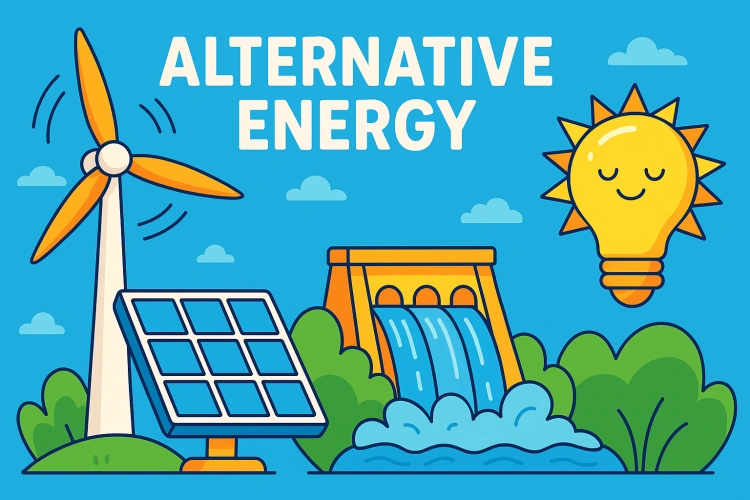
Alternative energy experiments for kids - at home and class
Educating children about alternative energy is not just about imparting knowledge; it's about instilling values that will shape their perspectives on environmental conservation. Through interactive and practical experiments, children learn to connect theoretical concepts with real-world applications, making the learning process more impactful. These experiences can ignite a lifelong curiosity and passion for science, encouraging kids to explore further and innovate in the field of renewable energy.
Introducing children to alternative energy concepts not only broadens their knowledge but also instills an early sense of environmental responsibility. By engaging in experiments, children can see firsthand how energy can be harnessed from natural resources like the sun, wind, and water, fostering a deeper appreciation for sustainable practices. This hands-on approach helps demystify the science behind energy production and encourages children to think critically about how energy affects our world.
Moreover, teaching kids about alternative energy prepares them for a future where sustainability will play a crucial role in everyday life. As they grow up in a world facing climate challenges, understanding renewable energy solutions will empower them to contribute positively to environmental conservation. Educating children about these topics also supports the development of problem-solving skills and creative thinking, as they learn to envision and build a more sustainable future.
One of the easiest ways to introduce kids to alternative energy is through ready-made kits. These kits come equipped with all the necessary components and instructions to conduct various experiments, making it easy for both parents and teachers to facilitate learning. Here are a few popular options:
- Solar Power Kits: These kits often include solar panels, motors, and other components that let kids build and power small devices like cars or fans using solar energy. By assembling the components, children gain hands-on experience with solar technology, helping them understand how sunlight can be converted into usable power.
- Wind Turbine Kits: With these kits, kids can assemble their own miniature wind turbines and learn about harnessing wind energy. These kits provide an opportunity to explore the mechanics of turbines and the principles of aerodynamics, offering insights into how wind can be transformed into electrical energy.
- Hydropower Kits: These sets allow children to explore the power of water by creating small water wheels or turbines. By experimenting with water flow and turbine design, kids can observe how kinetic energy from moving water is converted into mechanical energy.
Ready-made kits are fantastic because they simplify the setup and encourage curiosity through interactive learning. They provide a structured yet flexible way for kids to experiment and discover, offering a balance between guided learning and creative exploration. By using these kits, children can gain confidence in their ability to build and innovate, paving the way for further scientific inquiry.
Solar Energy Projects for Kids
Solar energy is one of the most accessible forms of alternative energy for kids to experiment with. Here are some project ideas that can be done at home or in a classroom setting:
Solar Oven Experiment
A solar oven demonstrates how sunlight can be converted into heat energy. To create a simple solar oven, you will need a pizza box, aluminum foil, plastic wrap, and a black piece of construction paper. Here's how it works:
- Prepare the Box: Cut a flap in the lid of the pizza box, leaving a border of about an inch. Cover the inside of the flap with aluminum foil to reflect sunlight into the box. This reflective surface directs the sun's rays into the box, maximizing the amount of heat energy captured.
- Line the Box: Place black construction paper at the bottom of the box to absorb heat. The black paper helps to absorb sunlight, converting it into heat energy that warms the interior of the oven.
- Seal It: Cover the opening with plastic wrap to create a greenhouse effect, trapping the heat inside the box. This step helps maintain a consistent temperature, demonstrating the principles of heat retention.
- Cook: Place a treat like a s'more inside and set the box in direct sunlight. The treat will begin to melt, demonstrating the power of solar energy. This experiment not only shows how solar ovens work but also provides a tasty reward for the effort.
Build a Solar Car
Building a solar car involves using solar panels to power a small motor connected to the wheels of a toy car. This project helps kids understand how solar energy can be converted into mechanical energy to perform work. Many kits are available that provide all the necessary components. This hands-on activity allows children to explore the mechanics of energy conversion and the potential of solar power in transportation.
Creating a solar car also encourages problem-solving and innovation. Kids can experiment with different designs and configurations to maximize efficiency, learning through trial and error. As they see their cars move under solar power, they'll gain a tangible understanding of renewable energy's potential and the exciting possibilities it offers for the future.
Ready-Made Kits for Alternative Energy Experiments
Ready-made kits are a fantastic way to introduce children to the world of alternative energy. These kits come with all the necessary components and instructions, making it easy for both parents and teachers to facilitate hands-on learning experiences. Here are two exciting options that can spark kids' interest in renewable energy:
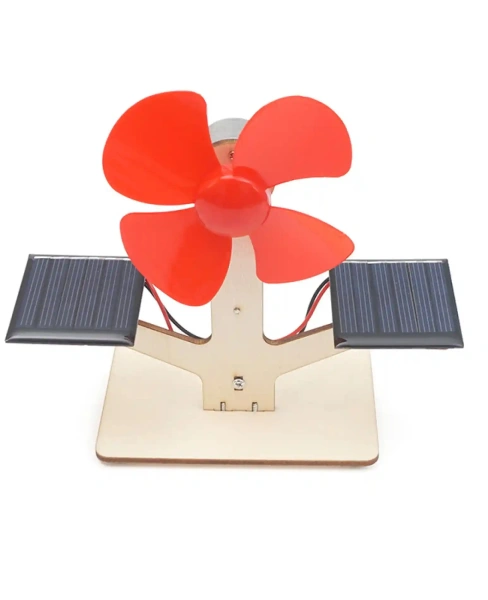
Solar Fan Kit
The Solar Fan Kit allows children to build their very own solar-powered fan. This engaging project teaches kids about solar energy's principles and how sunlight can be converted into mechanical energy. By assembling the components, children can see firsthand how solar energy can power everyday devices. This kit provides a straightforward yet impactful introduction to renewable energy concepts.
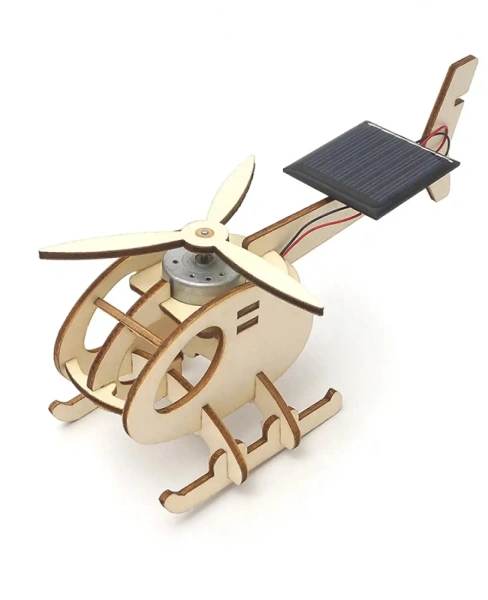
Solar Helicopter Kit
Another exciting option is the Solar Helicopter Kit. This kit lets children construct a miniature helicopter powered by solar energy. As they build and experiment, kids learn about aerodynamics and the principles of energy conversion. Observing how sunlight can propel their flying helicopter offers a fun and interactive way to understand the potential of renewable energy in transportation.
Incorporating ready-made kits like the Solar Fan and Solar Helicopter not only enhances the educational experience but also encourages creativity and problem-solving. These kits provide a structured yet flexible approach to learning about alternative energy, fostering a passion for sustainability in young minds.
Exploring Wind Energy
Wind energy projects are another exciting way for kids to learn about renewable energy. Here are some simple experiments:
Create a Wind Turbine
Kids can build their own small wind turbine using materials like a plastic bottle, cardboard, and a small motor. By placing the turbine in front of a fan or outside on a windy day, they can observe how wind energy is converted into electrical energy. This experiment provides insights into the mechanics of wind turbines and the role of wind speed and direction in energy production.
Building a wind turbine encourages kids to think about design and functionality. They can experiment with different blade shapes and angles to optimize performance, fostering a deeper understanding of aerodynamics and engineering. This hands-on experience not only educates but also inspires creativity and innovation in renewable energy solutions.
Wind-Powered Car
Using simple materials like cardboard, straws, and wheels, kids can create a car propelled by a balloon or fan. This experiment shows how wind energy can be harnessed to move objects. By adjusting the design and testing different propulsion methods, children learn about the principles of motion and energy transfer.
This project encourages teamwork and experimentation as kids work together to solve problems and improve their designs. It offers a fun and engaging way to explore the potential of wind energy in transportation, broadening their understanding of how renewable resources can power our world.
Hydropower Experiments
Water is another powerful source of renewable energy. Here are some projects to try:
Water Wheel Construction
Build a small water wheel using plastic spoons, a pencil, and a bottle. When placed under running water, the wheel will spin, demonstrating how water can be used to generate energy. This experiment illustrates the basic principles of hydropower and kinetic energy, providing a visual representation of how water flow can produce mechanical work.
Constructing a water wheel encourages critical thinking and problem-solving as kids experiment with different designs and configurations. By observing the wheel's movement, they gain insights into the relationship between water flow and energy production, laying the groundwork for understanding more complex hydropower systems.
DIY Water Turbine
Using a plastic bottle, straws, and a small motor, kids can construct a simple water turbine. By pouring water over the turbine blades, they can see how the movement generates electricity. This experiment offers a practical demonstration of how hydropower plants generate electricity, connecting classroom learning with real-world applications.
The DIY water turbine project fosters creativity and innovation as kids experiment with different designs to optimize efficiency. By engaging in this hands-on activity, children learn about the potential of water as a renewable energy source and the importance of sustainable energy solutions in addressing global challenges.
Other Alternative Energy Ideas
While solar, wind, and water are the most common types of alternative energy, there are other fascinating projects to explore:
Lemon Battery Experiment
Using lemons, copper coins, and zinc nails, kids can create a simple battery. This experiment illustrates how chemical energy can be converted into electrical energy. By connecting the components, children can power a small light bulb or clock, demonstrating the principles of electrochemistry in a fun and accessible way.
The lemon battery experiment encourages scientific inquiry and critical thinking as kids explore the chemical reactions involved in generating electricity. It also introduces them to the concept of alternative energy sources, highlighting the potential of everyday materials in producing power.
Biogas in a Bottle
By combining kitchen waste and water in a sealed container, kids can observe the production of biogas. This project teaches about the process of anaerobic digestion and the potential of organic waste as an energy source. As the waste decomposes, it releases methane gas, which can be captured and used as fuel.
The biogas in a bottle experiment fosters environmental awareness and responsibility by highlighting the benefits of waste management and recycling. It encourages kids to think about sustainable solutions to energy production and the importance of reducing waste in our daily lives.
Tips for Successful Experiments
- Safety First: Always supervise children during experiments, especially when using tools or electrical components. Ensure that all materials are used appropriately and that safety precautions are followed to prevent accidents.
- Encourage Questions: Prompt kids to think critically by asking questions about how and why things work. Encourage them to hypothesize, observe, and draw conclusions based on their experiments, fostering a deeper understanding of scientific principles.
- Make It Fun: Use storytelling and games to make experiments more engaging and relatable. Incorporate themes and narratives that capture children's imaginations, making learning an enjoyable and memorable experience.
Conclusion
Alternative energy experiments are an excellent way to engage kids in science and environmental education. By exploring these projects, children gain practical knowledge and learn the importance of sustainable living. Whether using ready-made kits or household items, these experiments provide a fun and educational experience that can spark a lifelong interest in renewable energy and environmental stewardship.
By implementing these projects at home or in the classroom, you can help the next generation of innovators and leaders develop a passion for science and sustainability. These activities not only educate but also inspire children to envision and create a more sustainable future, empowering them to make a positive impact on the world around them. Through hands-on learning and exploration, we can cultivate a generation of environmentally conscious individuals ready to tackle the challenges of tomorrow.